Federal Sentencing Timeline, Camp Preparation, and Custody Planning
Practical tools and guidance to help individuals and families understand what happens after federal sentencing, estimate custody timelines, prepare for surrender, and navigate the transition into federal prison with greater clarity.
The RealityAfter sentencing, most people are left with more questions than answers.
Many individuals and families leave the courtroom without a clear understanding of what happens next. Questions about designation, surrender dates, release timelines, and what life in a federal prison camp is actually like can feel overwhelming.
Federal Sentence Help provides resources designed to help individuals and families better understand the timeline, prepare for surrender, and navigate the stages of federal custody before and after surrender.
The guidance reflects the realities individuals often encounter during the federal designation and surrender process.
These resources provide practical guidance informed by lived experience navigating the federal prison system and are designed to reduce the confusion that often follows sentencing.
Start with the What Happens After Federal Sentencing guide for a clear overview of the stages that typically come next.
What clients say after gaining clarity and preparing for what comes next:
“Toni was truly a lifeline for me during one of the most difficult times in my life... She made me feel supported, prepared, and far less alone.”
— Lisa StanleyStart with a one-on-one orientation call to get clear answers based on your situation.
A Different Kind of Support
Many services in this space position themselves as prison consultants, often offering mitigation support or suggesting they can influence sentencing outcomes.
Federal Sentence Help does not operate that way. We offer education and guidance as personal advisors.
We are not part of the legal strategy.
We do not provide mitigation services.
We do not promise reduced sentences or specific outcomes.
Instead, we focus on what can actually be controlled: helping people understand the system, preparing them for the mechanics and realities of self-surrender, incarceration, and helping them and their families navigate what comes next with clarity and confidence.
Most individuals and families are not looking for more legal theory.
They are trying to understand:
What happens after sentencing
How much time will actually be served
What factors influence their sentence length based on earned time credits
How the Bureau of Prisons calculates time and placement
What to expect before surrender and during incarceration
How to prepare themselves and their families for all stages of their new reality
This is when guidance and support matter.
If you want to see how support is structured, review the full Services & Support page.
Federal Prison Guidance, Not False Promises
What This Service Is, and Is Not
What This Is:
Education and preparation for federal incarceration
Clear explanations of Bureau of Prisons processes and timelines
Guidance for individuals and families before and after surrender
Support in understanding sentence calculations and program eligibility
What This Is Not:
Legal advice or representation
Sentencing or mitigation services
Modified outcome-based consulting
Promised influence over judges, prosecutors, or the Bureau of Prisons
This distinction ensures that legal strategy remains with counsel, while clients receive the practical guidance they often need beyond the courtroom.
Why This Approach Matters
Individuals and families navigating the federal system are often in a vulnerable position. Many Prison Consultant services focus on influencing outcomes or promising reductions in time served. In reality, the federal system operates within defined structures that no outside party controls.
What can be controlled is preparation, understanding, and the ability to navigate the system effectively once a sentence is imposed. That is where this work is focused.
Where to Start
Individuals, families, and attorneys review our resources and advisory services.
Then begin with an orientation call to understand their situation, ask questions, and determine the right level of support.
From there, guidance can be tailored based on timing, complexity, length of need, and whether support is needed for the individual, the family, or both.
No long-term commitment is required.
Just a clear starting point.
Most people begin by reviewing the resources and then booking an orientation call if they need more individualized support.
The TimelineUnderstanding Your Federal Custody Timeline
Federal sentences rarely follow the timeline people expect. This calculator helps estimate what the process may actually look like.
Projected federal prison release timing can be affected by several factors, including:
• Good Credit Time
• First Step Act credits
• RDAP participation
• Second Chance Act community placement
• Bureau of Prisons designation timelines
• Earning status loss or pause
The Federal Sentence Timeline Calculator estimates key custody milestones based on Bureau of Prisons policies and federal sentencing rules.
By factoring in Good Conduct Time, First Step Act credits, program participation, and community placement eligibility, the calculator helps individuals and families understand how a federal sentence may actually unfold over time.
Then review What Happens After Federal Sentencing to understand where those timeline milestones fit into the larger process.
Start Here: Key ResourcesTools and resources to provide clarity when your world seems confusing and frightening.
These resources were created to help individuals and families understand the federal custody process, prepare for surrender, and navigate the early stages of federal prison.

Federal Sentence Timeline Calculator
Estimate key custody milestones based on sentence start date, First Step Act credits, RDAP eligibility, and potential community placement.

What Happens After Federal Sentencing
Learn about the designation process, surrender preparation, and the steps that typically occur after sentencing.

Preparing for Self-Surrender
Understand what the first weeks are like, what to bring, and how to prepare before surrendering to a federal prison camp.

Resources for Families
Resources and guidance on BOP communication, visitation, emotional adjustment, and what families can expect during the transition.
Need Help Navigating the Federal Sentencing Process?
Some situations call for more than general information. Orientation and support sessions are available for individuals and families who want help understanding custody timelines, preparing for surrender, and navigating what comes next.
Topics covered
• Understanding your custody timeline, including First Step Act credits, RDAP eligibility, and Second Chance Act placement
• Preparing for surrender
• What to expect during the first weeks inside
• Helping family members prepare for the transition
Guidance and education informed by firsthand experience navigating federal prison camp and the Bureau of Prisons system. They do not involve legal advice or sentencing advocacy.
Why These Resources Exist
These resources were created by Toni De Lanoy after her firsthand experience navigating the federal criminal justice system and serving time in a federal prison camp.
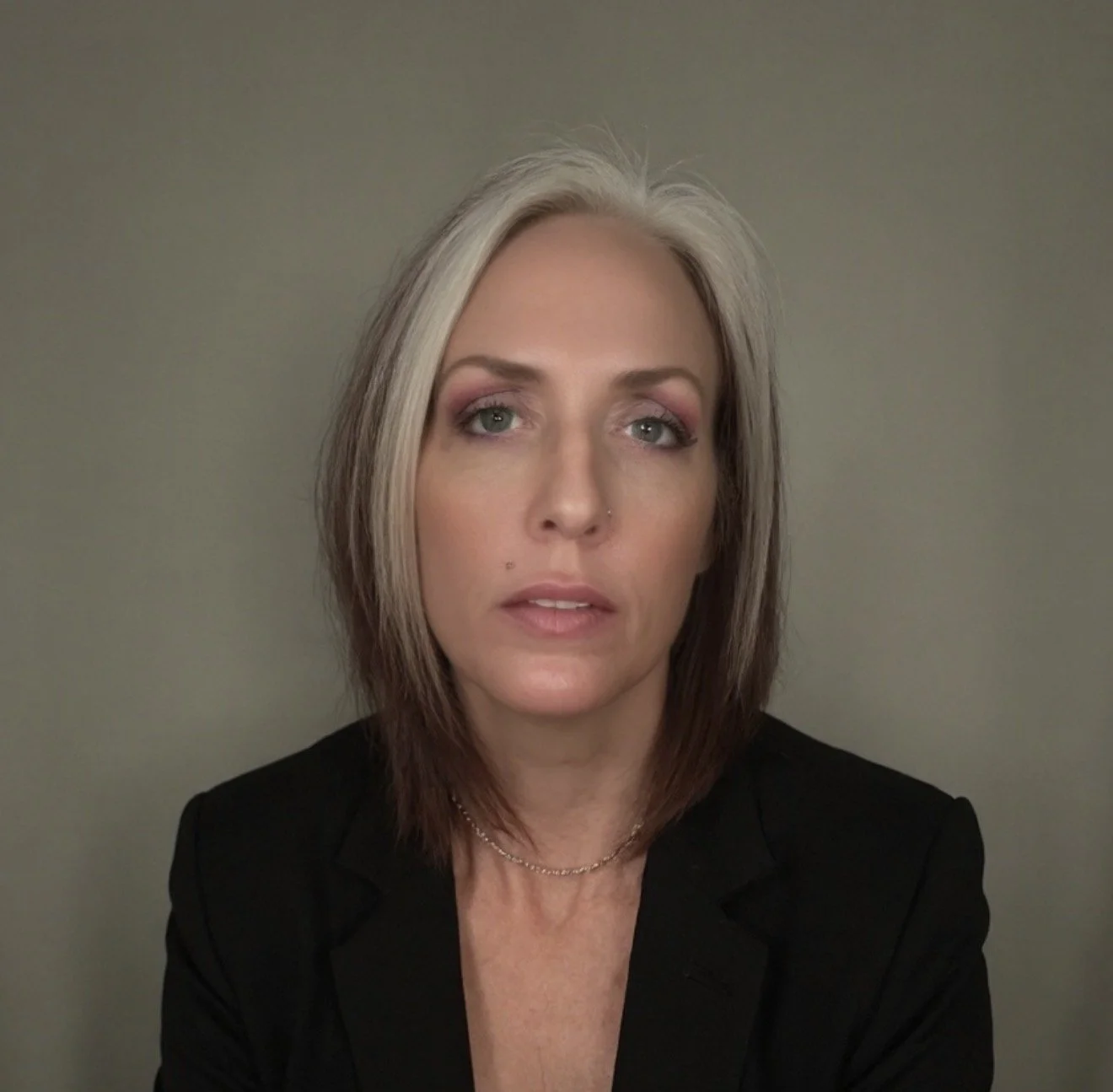
Many individuals and families leave the courtroom without a clear explanation of what happens next. Questions about designation timelines, surrender preparation, sentence credits, and the transition into federal custody are often left unanswered.
Federal Sentence Help was created to provide clear, practical information so people can better understand the process and prepare for what lies ahead.
That experience is what shaped the tools and guides available throughout this site.
What Became Clear Inside Federal Prison
While incarcerated in a federal prison camp for over a year, I saw firsthand how many people were trying to understand their sentences with little reliable guidance.
Many women had no idea how to estimate their release timelines, how First Step Act credits affected their sentences, or how to address situations when something in their Bureau of Prisons calculation appeared incorrect.
Over time I became one of the people others would come to when they were trying to understand their custody timeline, review sentence calculations, or figure out how to navigate administrative remedies and statutory language.
Through that experience I spent countless hours reviewing Bureau of Prisons policies, statutory language, and sentence calculations in order to help others better understand how their custody timelines were being determined.
Seeing how many people were forced to walk through the process without clear information is what ultimately led to the creation of these resources.
Federal Sentence Help exists to provide clear, practical information so individuals and families can better understand the process and prepare for their future before, during, and after surrender and release.
Perspective based on:
• years of experience navigating the federal criminal justice system
• intimate understanding Bureau of Prisons processes
• focus on practical preparation for individuals and families
Who These Resources Are For
After sentencing, many people struggle with uncertainty and are left trying to understand what comes next. These resources were created to help bring clarity to that moment.
Individuals preparing for sentencing or surrender
People who want to better understand custody timelines, designation, and what to expect during the transition into federal prison.
Family members trying to understand the process
Spouses and loved ones who want to understand communication, visitation, and how the system works so they can support their family member.
Attorneys seeking practical guidance for clients
Legal professionals who want a reliable resource they can share with clients who are preparing for surrender to a federal prison camp.
About These Sessions and Resources
After sentencing, many people deal with uncertainty and fear, trying to understand what comes next. These resources were created to help bring clarity to that moment.
For Attorneys & Law Firms
Federal Sentence Help is designed to complement, not replace, the work of defense counsel. The resources on this site focus on helping individuals and families understand what happens after sentencing and how the federal custody process works.
Attorneys often refer clients here for practical information about surrender preparation, daily life at a federal prison camp, and understanding Bureau of Prisons policies and procedures.
Guidance sessions are educational in nature and do not involve legal advice, sentencing advocacy, mitigation services, or communication with the court.
For Individuals & Families
These resources are intended to help individuals and their loved ones understand the federal custody process, including designation, surrender preparation, sentence calculations, and what to expect during the all stages of federal prison.
Private orientation sessions are available for individuals and families who want additional clarity about custody timelines, preparation for surrender, and navigating the transition into federal custody.
Advisory sessions and resources are educational in nature and do not involve legal advice, sentencing advocacy, mitigation services, or communication with the court.
The goal is to help clients better understand the road ahead while allowing attorneys to focus on legal strategy and representation.
Individuals should always consult their attorney regarding legal matters related to their case.
Client Testimonials
Frequently Asked Questions
-
Federal Sentence Help provides experience-based guidance for individuals and families navigating the federal system after sentencing. The focus is on helping people understand their sentence timeline, prepare for self-surrender to federal prison camp, and reduce confusion before and during the transition.
-
No. Federal Sentence Help is not a law firm and does not provide legal advice, legal strategy, or representation.
We offer support to clients of law firms who are navigating a federal custodial sentence.
The service is focused on education, preparation, and real-world guidance after sentencing, which is often where people feel the most uncertain and unsupported.
-
Federal Sentence Help is best for individuals preparing to surrender to federal prison camp and for families who want to understand what to expect.
The guidance is especially relevant for minimum and low security cases where sentence timelines, First Step Act credits, and prerelease planning have the greatest impact.
-
Yes. Federal Sentence Help helps you understand how your sentence actually plays out, including how good conduct time, First Step Act earned time credits, Second Chance Act prerelease placement, and RDAP affect your time in custody.
Many people are given incomplete or conflicting information, which leads to confusion about their actual timeline.
-
Yes. At the federal prison camp level, First Step Act earned time credits can effectively reduce the amount of time you spend in custody by up to 12 months depending on the length of your sentence and earning status.
Once that threshold is reached, additional earned credits can continue to extend prerelease time, such as halfway house or home confinement.
-
No. Credit earning and application can vary based on factors such as security level, program participation, and eligibility.
At federal prison camps, individuals are generally able to earn and apply credits more consistently than at higher security levels, which is why timelines can look very different from case to case.
-
Yes. Family members are often navigating just as much uncertainty as the person surrendering.
Federal Sentence Help provides guidance to help families understand communication, expectations, and how to prepare for the transition before and during incarceration.
-
Item descriptionThe most important steps are understanding your federal sentence timeline, preparing your family, organizing key personal and financial matters, and knowing what to expect when you arrive.
Most people focus on logistics, but preparation around clarity and expectations has the biggest impact on how the experience unfolds.
-
Yes. Both good conduct time and First Step Act earned time credits can be affected by your conduct.
Good conduct time can be taken away directly through disciplinary action, which immediately impacts your time.
First Step Act earned time credits are tied to participation and eligibility. If you receive disciplinary infractions or stop participating in required programming, you may stop earning credits or lose the ability to apply them.
-
Federal prison camps are minimum security facilities, typically with no perimeter fencing, and more access to programming and movement compared to higher security institutions.
This environment often allows for more consistent participation in programs and, in many cases, more predictable application of sentence-related factors such as First Step Act earned time credits and prerelease planning.
Because of these differences, timelines and day-to-day experience at a camp can look very different from higher security levels.
Start with a 15-Minute Orientation Call
A focused first step to understand where you are in the federal sentencing process, identify immediate priorities, and determine the right level of support.
$25, credited toward a support package if you move forward.
Have a question first?
We’re here to help. Everyone’s path is unique, and we want to ensure you receive the customized guidance you need. Send a message below.