Guidance for Clients Facing Federal Sentence
When a client is facing an incarcerative federal sentence or preparing to surrender, questions often continue long after sentencing is over.
individuals and families need clear, practical guidance on what happens next, how to prepare, and how to navigate the transition into custody.
Federal Sentence Help provides structured, experience-based guidance that helps individuals and families prepare with clarity, stability, and confidence.
Federal Sentence Help complements legal representation by providing practical, experience-based guidance that helps individuals and families navigating preparation, custody, and transition.
A Different Kind of Support
Many services in this space position themselves as prison consultants, often offering mitigation support or suggesting they can influence sentencing outcomes.
Federal Sentence Help does not operate that way. We offer education and guidance as personal advisors.
We are not part of the legal strategy.
We do not provide mitigation services.
We do not promise reduced sentences or specific outcomes.
Instead, we focus on what can actually be controlled: helping people understand the system, preparing them for the mechanics and realities of self-surrender, incarceration, and helping them and their families navigate what comes next with clarity and confidence.
Most individuals and families are not looking for more legal theory.
They are trying to understand:
What happens after sentencing
How much time will actually be served
What factors influence their sentence length based on earned time credits
How the Bureau of Prisons calculates time and placement
What to expect before surrender and during incarceration
How to prepare themselves and their families for all stages of their new reality
This is when guidance and support matter.
Attorneys who want a clearer view of how support is structured can review the full Services & Support page.
Federal Prison Guidance, Not False Promises
What This Service Is, and Is Not
What This Is:
Education and preparation for federal incarceration
Clear explanations of Bureau of Prisons processes and timelines
Guidance for individuals and families before and after surrender
Support in understanding sentence calculations and program eligibility
What This Is Not:
Legal advice or representation
Sentencing or mitigation services
Modified outcome-based consulting
Promised influence over judges, prosecutors, or the Bureau of Prisons
This distinction ensures that legal strategy remains with counsel, while clients receive the practical guidance they often need beyond the courtroom.
For attorneys reviewing how this support is delivered in practice, the available support options can be viewed here.
Why This Approach Matters
Individuals and families navigating the federal system are often in a vulnerable position. Many Prison Consultant services focus on influencing outcomes or promising reductions in time served. In reality, the federal system operates within defined structures that no outside party controls.
What can be controlled is preparation, understanding, and the ability to navigate the system effectively once a sentence is imposed. That is where this work is focused.
Where to Start
Individuals, families, and attorneys review our resources and support options.
Then begin with an orientation call to understand their situation, ask questions, and determine the right level of support.
From there, guidance can be tailored based on timing, complexity, length of need, and whether support is needed for the individual, the family, or both.
No long-term commitment is required.
Just a clear starting point.
Resources You Can Share With Clients
Attorneys are often asked to answer questions that extend beyond legal strategy. Clients and families may need help understanding the broader process, preparing for self-surrender, organizing practical next steps, and making sense of the transition ahead.
This page gives attorneys a trusted place to send people who need a:
better understanding of what happens after sentencing.
practical starting point for self-surrender preparation.
resources and guidance they can share with clients or family members.
structured support process for clients who are overwhelmed with their future incarceration or need more individualized education and guidance.
The goal is to support counsel by helping their clients and families feel well informed and more prepared for what lies ahead.
Featured Client Resources
The resources below are intended to give your clients and families a clearer understanding of the process and help them prepare for their time in federal custody.
Federal Sentence Timeline Calculator

An educational tool designed to help users better understand how a federal sentence is impacted by Good Credit Time, First Step Act, Second Chance Act, RDAP, transit, furloughs, and related planning.
What Happens After Federal Sentencing
An overview of the process after sentencing, helping users understand the larger sequence of what typically happens along their journey to self-surrender through release from federal custody.

A practical guide for families navigating what happens after sentencing, including preparation, communication, and the transition into incarceration and reentry.
Guide for Families

Preparation Checklist

A high-level checklist to help individuals and families think through important planning steps before the transition ahead.
Personalized Support Options.
When Additional Guidance Is Needed
Some individuals and families need more than written resources. They need structured one-on-one guidance to understand what to expect, prepare for what comes next, and navigate the transition with clarity.
The options below reflect common ways attorneys may direct clients or families toward more personalized support when additional help is needed.
For the full structure of available services, attorneys may also review the complete Services & Support page.
Orientation Call
A focused starting point to help individuals, their family members, or attorneys who need help understand available support options and determining the most appropriate next step.
Best for:
Individuals, family members, or their counsel who are unsure where to start.
Individual Guidance
One-on-one guidance for individuals preparing for sentencing, self-surrender, or early transition. Includes preparation planning, expectation setting, sentence timeline clarity, and support organizing next steps.
Best for:
Individuals who want more personalized guidance beyond written resources.
Family Support
Focused guidance for spouses, parents, adult children, or other loved ones who need help understanding the process, preparing for immediate changes, and navigating the practical and emotional impact on the family system.
Best for:
Families supporting an incarcerated or soon-to-be incarcerated loved one.
Intensive Strategy Support
A higher-touch level of support for more complex situations that require more intensive guidance, multiple sessions, deeper planning, and coordinated individual and family guidance.
Best for:
People who need more involved support than a single call or one-time consultation.
Attorney-Referred Client Support
A structured referral pathway for attorneys who want to connect clients or families with a trusted non-legal support resource that provides clarity, answer practical questions, and offers defined next steps.
Best for:
Attorneys who want a tangible support option they can confidently share.
Attorneys may share these options with clients or families who would benefit from more personalized guidance.
Firms seeking direct referral coordination or firm-paid support arrangements may use the attorney contact pathway provided.
Scope of Services:
Federal Sentence Help does not provide legal advice and does not advise on legal strategy or the merits of any case.
The resources and support offered are educational and practical in nature, designed to help individuals and families better understand the process, prepare for transition, and navigate the logistical and human aspects of what lies ahead.
Federal Sentence Help is intended to complement legal representation by providing structured, experience-based guidance that supports clients and their families before, during, and after transition into custody.
Why This Work Exists
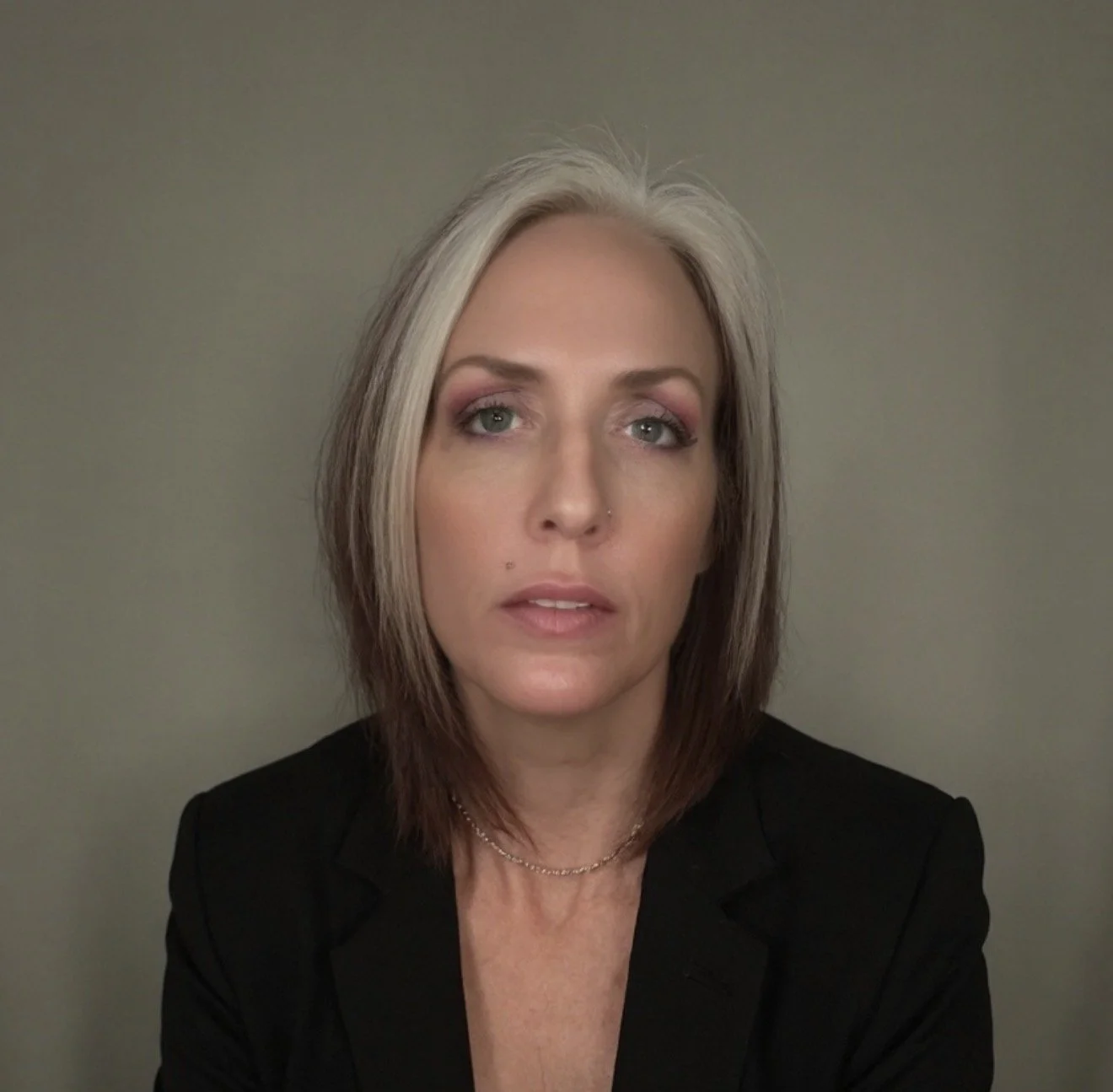
Toni De Lanoy
Founder, Federal Sentence Help
Created by Toni De Lanoy following her firsthand experience navigating the federal criminal justice system and serving time in a federal prison camp.
Federal Sentence Help was built from firsthand experience navigating the federal criminal justice system, including pretrial supervision, sentencing, and time in a federal prison camp.
During that time, I saw how difficult it was for individuals and families to understand what was actually happening, what to expect, and how to prepare for what comes next. Questions about timelines, credits, transition, and daily realities often went unanswered or were misunderstood.
I became someone people turned to for clarity, guidance, and practical direction during one of the most uncertain times in their lives.
This platform was created to provide that same structured, experience-based guidance to others facing the same process.
Toni De Lanoy brings a background in business ownership and healthcare operations, with experience navigating complex systems, regulatory environments, and high-stakes client situations.
This foundation, combined with her firsthand experience in the federal system, allows her to provide structured, practical guidance that complements legal representation.
A Structured Resource Attorneys Can Confidently Share
Clients and families facing federal sentencing often need guidance beyond the legal scope of representation.
Federal Sentence Help provides structured, experience-based support that helps reduce confusion, prepare for transition, and create clarity around what comes next.
Working with Federal Sentence Help
Attorneys frequently questions from clients and families that extend beyond the legal scope of representation.
Federal Sentence Help provides structured, experience-based guidance focused on post-sentencing preparation, incarceration expectations, sentence timelines, and reentry planning.
This support is designed to complement legal counsel by helping clients and families better understand the process, reduce confusion, and prepare for what comes next.
How Attorneys Use This
Refer clients or families for independent guidance and preparation
Provide access to clear educational resources and planning tools
Reduce repetitive post-sentencing questions and uncertainty
Support clients during surrender preparation and transition
Referral Paths
• Refer a client directly for guidance and support
• Schedule a brief introduction call to understand available services and determine the best fit for a client
Client Testimonials
Attorney Frequently Asked Questions
-
No. Federal Sentence Help does not provide mitigation services, legal strategy, legal advice, or outcome-based consulting. It addresses the practical and emotional reality of what happens after sentencing.
-
Most prison consultants market around influence, narratives, or sentence-reduction positioning. Federal Sentence Help is different. It focuses on post-sentencing clarity, preparation, family support, and real-world guidance about the process that follows sentencing.
-
It solves the gap that opens after sentencing, when clients and families are frightened, confused, and asking questions that are important but outside the legal scope. That means fewer non-legal calls, more stable expectations, and a better overall client experience.
-
Clients receive education about what happens next, guidance for surrender and adjustment, family preparation, sentence timeline education at a high level, and structured support as situations arise during the selected support period.
-
It is most valuable after sentencing, before surrender, during the first phase inside, and again when reentry planning becomes more relevant. Those are the points where confusion and uncertainty tend to spike.
-
No. It complements the attorney's role by handling a different category of need. The attorney handles legal representation. Federal Sentence Help handles clarity, preparation, and support around the lived process that follows sentencing.
-
Depending on the service level, communication includes scheduled sessions and text support for focused questions as situations arise. The higher tiers are designed around dedicated support periods rather than one-off calls alone.
-
Family support helps the people around the client understand what to expect, how communication works, what early transition may look like, and how to prepare for the practical and emotional realities of the process.
-
Collaborative, honest, and straightforward. We're here to guide the process, bring ideas to the table, and keep things moving.
-
The service is intentionally high touch. Responses are typically prompt, often same day, with higher tiers receiving priority access during their support period.
-
No. The service is structured around key transition periods, not open-ended support for the entire sentence. Higher advisory tiers can span multiple key periods, including early adjustment and reentry preparation.
-
Yes. It can be offered as a referral-based service, a co-branded resource, or an embedded support option inside a firm's client experience model.
-
Because the questions clients ask after sentencing are often not legal questions. They are process, timeline, preparation, and family questions. This service is built specifically to answer those questions in a structured, support-oriented way.